In 2026, Magento (Adobe Commerce) matured into a high-velocity ecosystem powering over 250,000 global stores. With an $173 billion annual GMV, the platform’s focus has shifted from simple storefront management to complex, headless architectures.
This report provides an execution-focused breakdown of the current market and the practitioner strategies necessary to dominate the enterprise landscape. Success now requires a fusion of modern technical optimization and sophisticated AI-driven discovery methods.
Nội dung bài viết
- 1 Top 3 Magento SEO trends in 2026
- 2 The Practitioner’s Comprehensive SEO & Marketing Strategy
- 3 Avoiding Common Implementation Mistakes
- 4 The 2026 Tooling and Extension Ecosystem
- 5 Financial Benchmarks: Cost of Ownership in 2026
- 6 Regional Characteristics and Vertical Insights
- 7 Frequently Asked Questions
- 8 Conclusion
Top 3 Magento SEO trends in 2026
Global Market Dynamics and Economic Footprint
As of early 2026, Magento maintains an approximate 8% share of the global e-commerce market, ranking as the third most-utilized platform for mid-to-large-scale businesses. Its economic impact is massive, facilitating transactions that account for a significant portion of global trade.
This scale is supported by a community of over 300,000 developers and a marketplace with nearly 5,000 verified extensions. These resources ensure that the platform remains the primary choice for businesses that refuse to outgrow their technology stack.
Geographic Adoption Patterns
The adoption of Magento is concentrated in regions where complex business logic and enterprise-grade reliability are prioritized. Europe serves as the leading global region, accounting for nearly half of the total market share.
- Germany: The regional leader driven by heavy B2B commerce and deep ERP integrations.
- United States: The largest single market, powering 20% of the top 1,000 retailers.
- United Kingdom: A primary hub for large-scale consumer retail with high mobile checkout rates.
- Netherlands: High density of adoption relative to population, leading in headless development.
The Great Migration Maturity
By 2026, over 86% of active stores will have successfully moved to Magento 2 or Adobe Commerce Cloud. This migration was catalyzed by the need for better 5 winning SEO strategies for Magento and enhanced schema support.
While a small fraction of legacy stores remains, they face significant security risks and lack modern performance capabilities. The move to version 2.4.x has unlocked advanced features like asynchronous web APIs and improved inventory management.
These updates allow for a more resilient infrastructure that can handle the massive traffic spikes associated with global shopping holidays. Merchants are prioritizing these upgrades to remain competitive in an increasingly demanding digital marketplace.
Industry Vertical Breakdown
Magento remains the preferred choice for industries with high SKU counts and complex product attributes. The platform’s flexibility allows for deep customization that standard SaaS models cannot provide.
- Home & Garden: Leads adoption due to complex shipping and highly configurable products.
- Fashion & Apparel: Driven by the need for high-end visual storytelling and mobile speed.
- Electronics & Tech: Manages robust attribute sets and complex technical specifications.
- Food & Beverage: Growing sector focused on B2B subscription models and regional distribution.
The Rise of Modern Technical Architectures
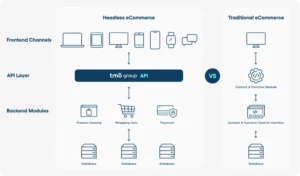
The defining technical trend of 2026 is the decoupling of the frontend. Merchants are moving away from legacy PHP-heavy templates in favor of modern, API-first delivery models that prioritize agility.
Headless and PWA Adoption
A significant portion of new Magento developments in 2026 utilize a headless architecture. This separation allows for seamless integration with Magento SEO for ChatGPT to ensure product data is visible to generative search bots.
- Omnichannel Reach: Consistent experiences across TikTok shops, mobile apps, and kiosks.
- Cost Savings: Using a PWA can reduce long-term maintenance costs by up to 40%.
- AI Flexibility: Dynamic integration of commerce data without risking core stability.
- Developer Agility: Frontend teams can iterate weekly without impacting heavy data operations.
This separation of concerns allows businesses to scale their frontend independent of their backend logic. As consumer preferences shift rapidly, the ability to deploy new storefront designs in days rather than months is a vital advantage.
Performance Benchmarks: The Hyvä Standard
In 2026, the Hyvä theme has become the industry standard for performance. While legacy themes often resulted in 4-second load times, Hyvä-powered stores achieve median load times under 1.2 seconds.
This improvement is due to a 65% reduction in Time to First Byte and a total overhaul of the JavaScript model. These stores consistently achieve 90-plus ratings in Google Lighthouse for both Performance and SEO.
Reduced code bloat also means easier maintenance and faster deployment of AI-generated content for Magento SEO across high-volume product pages. This leaner code structure is preferred by search engines and users alike.
B2B Commerce: The Engine of Growth
Magento remains the undisputed leader in the B2B sector, a market projected to reach $36 trillion globally by late 2026. Its ability to handle self-service procurement is a primary competitive advantage.
B2B Performance Metrics
The financial impact of Magento in the B2B space is substantial. Merchants report a strong preference for self-service, with over 80% of buyers managing orders via online portals.
- Average Order Value: Roughly $122, which is 2.5 times higher than typical B2C benchmarks.
- Retention Growth: Tools like custom requisition lists lead to 50% higher repeat purchase rates.
- Account Management: Ability to manage multiple business units under a single parent account.
- Tiered Pricing: Dynamic rules that handle complex wholesale discount structures at scale.
Buyers now expect the same ease of use they find in consumer apps. By providing high-quality search and easy reordering, B2B companies can significantly reduce their sales overhead while increasing customer loyalty.
Emergence of AI Procurement
The year 2026 has seen the rise of AI-driven procurement agents that interact directly with Magento APIs. These tools automatically resolve payment failures and suggest substitutes for out-of-stock items.
This automation allows B2B firms to scale operations without a proportional increase in administrative overhead. AI agents also assist in dynamic credit limit management by analyzing real-time purchasing data.
By automating these tedious tasks, procurement teams can focus on strategic sourcing and relationship building. This shift is fundamental to the digital transformation of the global supply chain in 2026.
The Practitioner’s Comprehensive SEO & Marketing Strategy
To dominate search rankings in 2026, practitioners must move beyond basic keywords. Success depends on technical precision and a deep understanding of user intent within the AI search landscape.
Site Performance and UX Optimization
Speed is no longer an optional optimization; it is a core ranking factor. Full-page caching is essential for reducing server load and ensuring rapid response times for both users and crawlers.
- Modern Compression: Utilizing WebP and AVIF formats to maintain high visual fidelity.
- Search Infrastructure: Moving to Elasticsearch or OpenSearch for faster product discovery.
- Mobile-First Design: Optimizing for the 46% of Magento transactions occurring on mobile.
- Accessibility: WCAG compliance now serves as a secondary ranking signal for organic visibility.
Advanced Content Optimization
Content must satisfy the sophisticated demands of both Google’s AI algorithms and human users. Implementing deep schema markup for products and reviews is vital for generating rich snippets.
- Visual Search: Image tagging is critical as visual search drives nearly 30% of revenue.
- Unique Descriptions: Avoiding manufacturer copy to prevent duplicate content penalties.
- Topical Authority: Using blogs to target long-tail keywords and demonstrate E-E-A-T.
- Rich Snippets: Structured data can boost click-through rates by up to 20% in SERPs.
URL and Metadata Hygiene
Maintaining clean and readable paths is a cornerstone of technical SEO. Practitioners should remove unnecessary file extensions and parameters from URLs to create a clear site hierarchy.
- Canonicalization: Forcing a single version of every page to prevent splitting link equity.
- Unique Metadata: Crafting distinct titles for every SKU to maximize the keyword footprint.
- Standardized Slugs: Using hyphen-separated, lowercase formats for all category and product keys.
- Redirect Management: Using 301 redirects to preserve authority during catalog restructures.
Local SEO and Trust Signals
Trust is a primary ranking signal in the current landscape. Google now actively downgrades sites that do not enforce HTTPS through valid SSL certificates across all store pages.
- Google Business Profile: Essential for capturing local “near me” searches for physical stores.
- Social Proof: Integrating review tools to display genuine customer feedback and ratings.
- Localized Content: Region-specific landing pages that help rank for geographic-specific queries.
- Secure Checkout: Ensuring PCI compliance and secure gateways for all transaction types.
Avoiding Common Implementation Mistakes
Even enterprise-level stores often fail due to basic structural errors. Duplicate content remains a major issue, where identical product text is used across multiple categories, confusing search crawlers.
- Generic Metadata: Wasting prime SEO real estate by leaving titles as “Home Page.”
- Keyword Stuffing: Over-optimizing text in a way that triggers AI-driven quality penalties.
- Outdated Sitemaps: Preventing search engines from discovering new content in a timely manner.
- Robots.txt Errors: Accidentally blocking high-value pages or allowing junk pages to be indexed.
Ignoring the mobile user experience is perhaps the most critical mistake in 2026. Non-responsive menus or difficult navigation can drive bounce rates higher and destroy your ranking potential.
Slow performance, specifically a high Time to First Byte, drives away nearly half of potential visitors. Weak internal linking and data silos further prevent search engines from understanding your store’s architecture.
The 2026 Tooling and Extension Ecosystem
The Magento marketplace offers over 4,900 verified extensions to bridge functional gaps. A select few have become mandatory for merchants competing at the enterprise level in 2026.
- SEO Toolkits: Centralized management of sitemaps, metadata, and canonical redirects.
- AI Optimizers: Automated generation of titles and descriptions based on search trends.
- International Suites: Solutions for handling complex multilingual setups and hreflang tags.
- Hyvä Themes: The primary performance-first alternative to complex headless builds.
Deep integration with search consoles and tag management systems is also required. These tools allow developers to identify and fix indexing issues before they impact the store’s revenue.
Financial Benchmarks: Cost of Ownership in 2026
Magento is a high-ROI platform that requires a significant investment in both licensing and infrastructure. The total cost varies based on GMV and the level of customization required.
- Open Source: Annual costs from $10,000 to $60,000; ideal for mid-market dev teams.
- Adobe Commerce: Licensing starting at $22,000; required for native B2B functionality.
- Commerce Cloud: Costs up to $500,000+ for global enterprises requiring 99.99% uptime.
- Revenue Growth: Migrated stores report an average 29% year-over-year revenue increase.
Investing in high-quality development prevents technical debt from accumulating. While the initial costs are higher than SaaS, the long-term control over data and logic provides a better competitive edge.
Regional Characteristics and Vertical Insights
The United States remains the largest market with over 42,000 stores, focusing on high-volume B2C retail. The UK follows as a hub for fashion, characterized by high mobile checkout rates.
- Netherlands: Lead the world in the adoption of headless and PWA technology.
- Germany: Strong preference for B2B setups with heavy ERP and multi-store requirements.
- Italy: Growth led by fashion, luxury, and premium retail brands.
- Brazil: Leading emerging market for enterprise-grade open-source commerce solutions.
From a vertical perspective, Home & Garden brands are leveraging Magento to manage high-SKU catalogs. Fashion brands are integrating API-first capabilities with social commerce and augmented reality tools.
Frequently Asked Questions
How does headless architecture specifically improve Magento site performance?
It removes the “weight” of the traditional frontend. By sending only data to a lightweight React frontend, you eliminate the massive files that traditionally slow down Magento stores.
What are the core differences between PWA and mobile apps for Magento stores?
A PWA runs in a browser and is fully indexable by search engines. Native apps require separate codebases and do not help your organic search rankings.
How will AI change product descriptions and search in 2026?
AI is shifting search from keyword matching to intent fulfillment. Stores must use AI to answer specific user questions rather than just listing static product features.
Is Magento still the best choice for B2B e-commerce?
Yes, due to native support for company accounts, requisition lists, and custom price books. It remains the only choice for complex, industrial-scale wholesale operations.
What is the fastest way to improve a Magento store’s SEO in 2026? Switching to a Hyvä theme or a headless frontend is the single most impactful move. Technical performance is now the absolute foundation of modern SEO.
Conclusion
In 2026, Magento success is defined by technical agility and data-driven precision. The transition to modern frontends has reset the performance baseline, making speed a non-negotiable prerequisite.
For practitioners, the path forward involves mastering AI search intent and eliminating technical debt. By focusing on site performance and clean infrastructure, brands can dominate their respective markets.